


Why We're Now Working With Freshman and Sophomores

For most of our history, families found us the same way, at the same time: second semester sophomore year, right as junior curriculum decisions were closing in and PSAT scores had just given us real data to work with. That timing wasn't an accident. It's when the college process starts to feel real.
But some of the decisions that shape a student's options don't wait for sophomore year to end. And a planner who only shows up once those decisions are already made can't undo them.
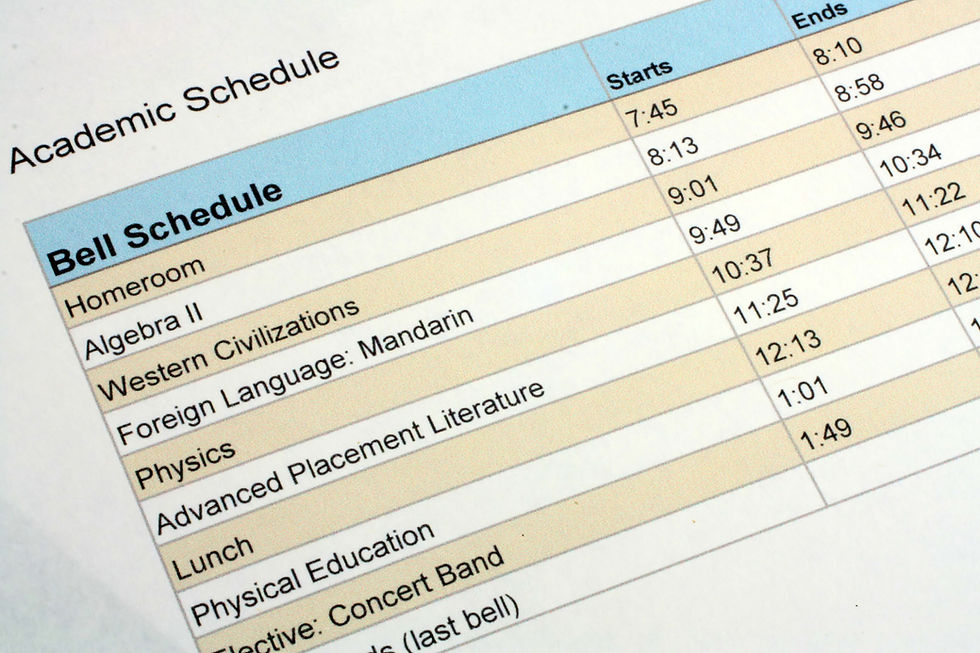
Some Bells Can't Be Unrung
Which math track a student lands on in ninth grade quietly gates what's possible by senior year. How a GPA gets recalculated by admissions offices — differently than the report card shows — starts adding up from the first semester. Whether a course schedule is building toward the rigor that state flagships and competitive universities expect, or drifting away from it, is something nobody notices in the moment.
This isn't about the student who's struggling. Most schools already have resources for that student. It's about the capable student who is doing fine — earning A's and B's, staying out of trouble, not flagged for anything — and has no one in their corner who understands what these early decisions actually mean. That student can arrive junior year with a narrower set of realistic options than anyone in the family expected. Not because anything went wrong. Because no one was watching.
That's the gap we're now stepping into for freshman and sophomore families.
Same Program, Not a New Tier
This isn't a new product or a separate track. It's the same CPC Program, at the same price, with more runway. Families starting freshman or sophomore year aren't buying something different — they're buying more time inside the program before the application work begins.
The total is $3,900 whether a family starts freshman year or junior year — the same as starting later. Starting earlier doesn't cost more; it just means more months to spread that same total across a payment plan, and more time with a planner before the application work begins.
We don't pile on just because there's more time available. Early sessions stay narrow and specific: course sequencing when it actually matters, a PSAT debrief once real scores exist to act on. No essays yet. No activity lists. No test prep before there's data worth aiming it at. No manufactured busy work to justify a monthly payment.
What We're Actually Watching in 9th and 10th Grade
Math track placement. The sequence a student lands on freshman year can open or close doors that don't reopen easily.
GPA mechanics. How colleges recalculate a transcript often looks nothing like what shows up on the report card.
Course rigor trajectory. Whether the schedule is building toward what selective and flagship schools actually expect — checked early enough to still adjust it.
PSAT results, when they arrive. The first real data point worth building a test strategy around.
Families Are Already Telling Us This Works
Course sequencing isn't a new idea we're testing — it's something families already credit us for, years before any of this became a formal early-engagement offering:
“She helped devise a course schedule that would prepare my daughter for success. She got into her first-choice college and her preferred limited-enrollment major.” — Jane H., Google
“She helped me stay on track through the entire process. I highly recommend CPC to any student who has trouble staying on top of a schedule.” — Leni K., Birdeye
What This Means for Your Family
If your student is a freshman or sophomore who's doing fine — good grades, no flags, nothing urgent — there's no reason to panic and no reason to start piling on college-prep work before it's useful. But it's worth having someone watching the handful of decisions that are genuinely consequential right now, so junior year arrives with real options still open rather than a narrower set than anyone expected.
We built this the way we build everything else here: watch closely, act only when something actually matters, and never invent urgency that isn't real.
Curious whether now is the right time to start for your freshman or sophomore? Schedule a conversation.



Comments